

Introduction
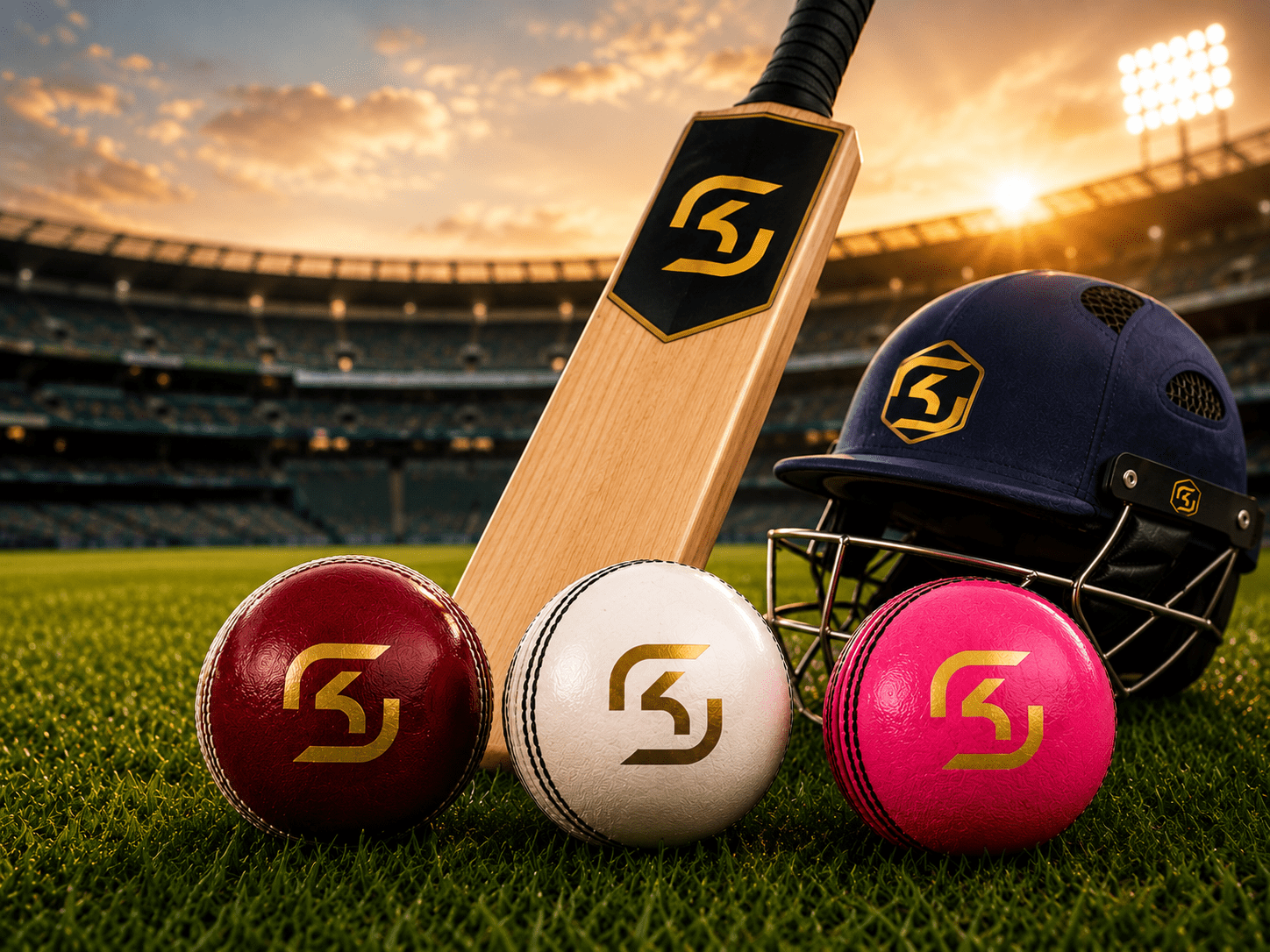
Selecting the right cricket ball can significantly impact performance, durability, and skill development. With various options available—including red, white, and pink cricket balls—players often struggle to determine which ball best suits their needs.
This guide explains everything you need to know before purchasing a cricket ball.
Understanding Different Cricket Ball Types
Red Cricket Balls
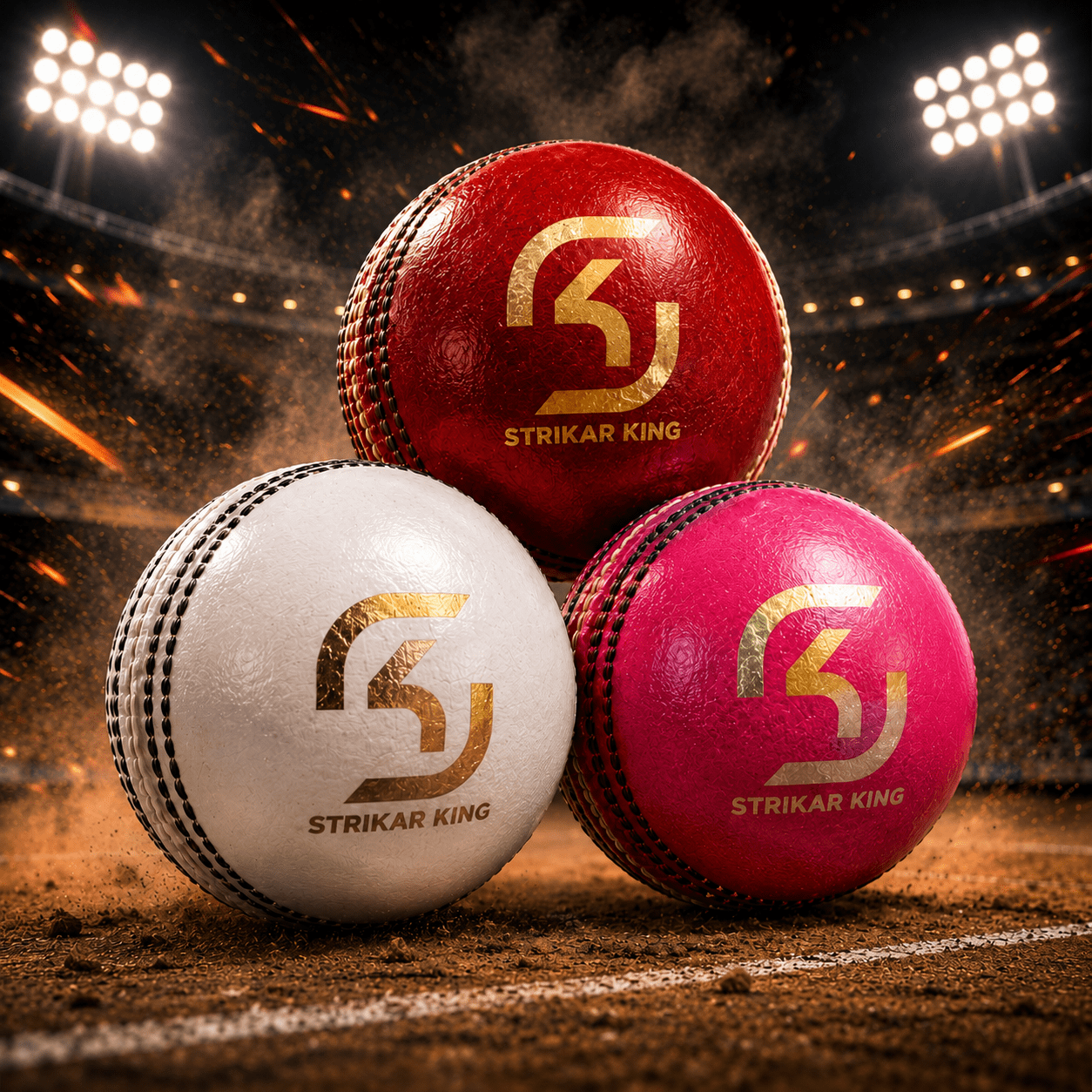
Red cricket balls remain the traditional choice for longer-format cricket.
Benefits include:
- Better swing potential
- Traditional match experience
- Preferred for daytime cricket
White Cricket Balls
White cricket balls are commonly used in limited-overs formats.
Benefits include:
- Excellent visibility during daylight
- Standard for T20 and ODI cricket
- Faster recognition by batsmen
Factors to Consider Before Buying
Durability
A high-quality cricket ball should withstand:
- Extended net sessions
- Repeated impact
- Varying weather conditions
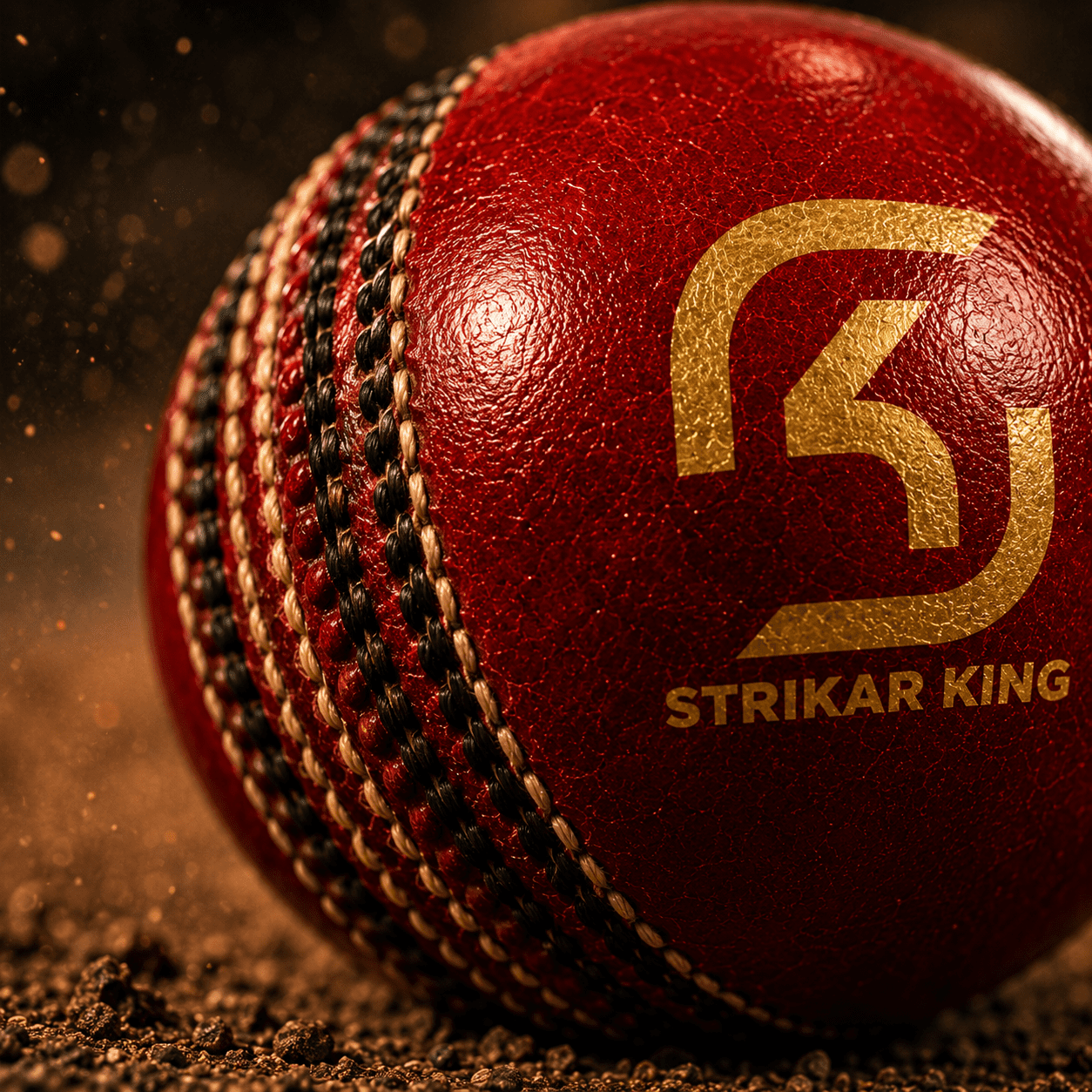
Leather Quality
Premium leather provides:
- Better seam retention
- Consistent swing
- Improved lifespan
Stitching Quality
Strong stitching ensures:
- Better grip for bowlers
- Consistent seam position
- Longer durability
Which Cricket Ball Is Best for You?
Choose based on your objective:
- Beginners → Durable training balls
- Academies → Mixed collection of red, white, and pink balls
- Professional Players → Match-grade leather balls
- Evening Practice → Pink cricket balls
Conclusion
The ideal cricket ball depends on your playing format, training environment, and skill level. Investing in quality cricket balls helps players improve faster while ensuring a more realistic playing experience.
Choosing the correct ball today can directly influence your cricket development tomorrow.