

Introduction
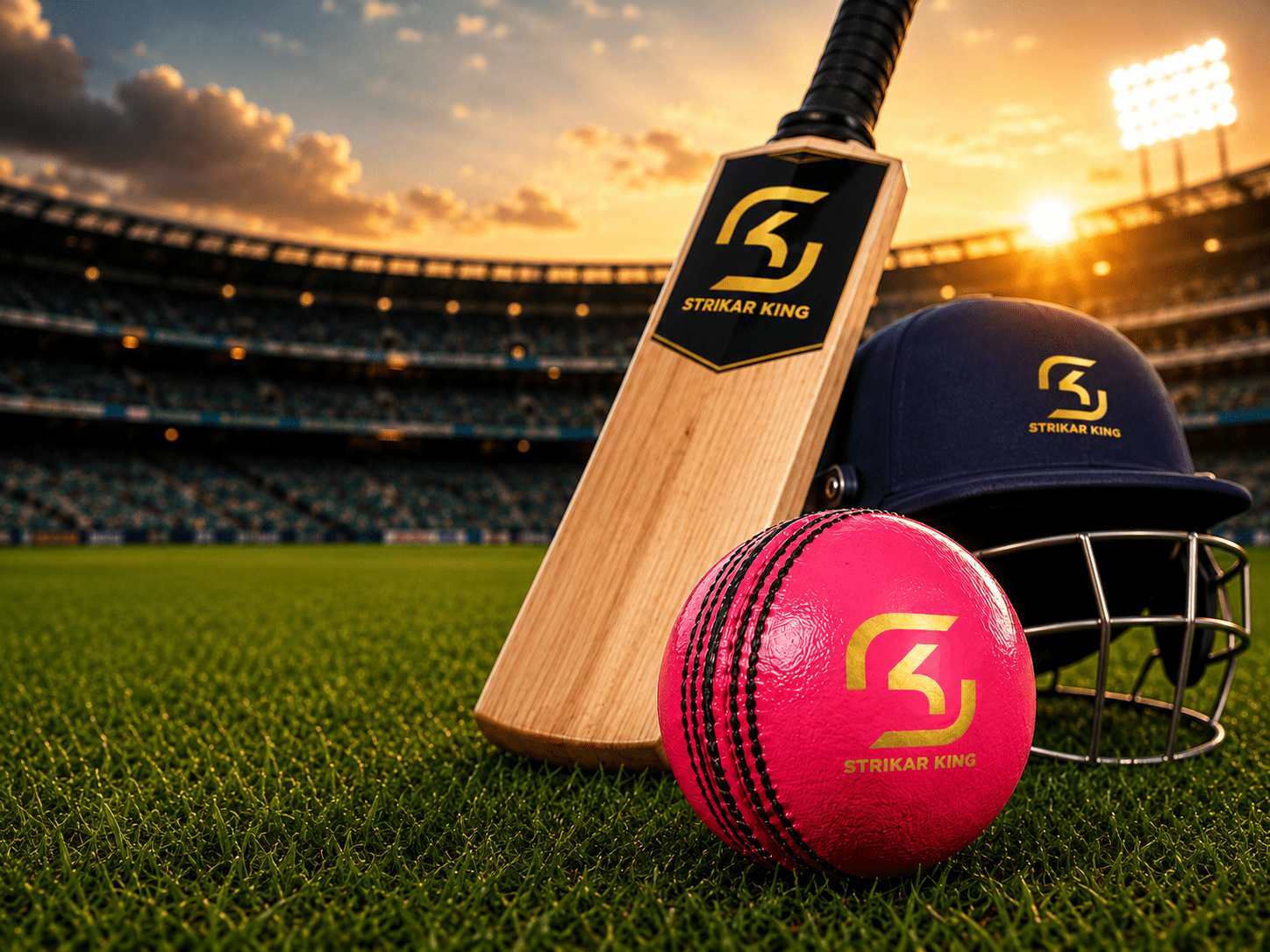
Cricket training is evolving rapidly, and one of the most noticeable innovations in recent years is the rise of pink cricket balls. Originally introduced for day-night professional matches, pink balls are now becoming increasingly popular among cricket academies, coaches, and players for training purposes.
The enhanced visibility, improved tracking, and unique playing characteristics make pink cricket balls an excellent training tool for players of all skill levels.
Better Visibility for Players
Why Visibility Matters in Cricket
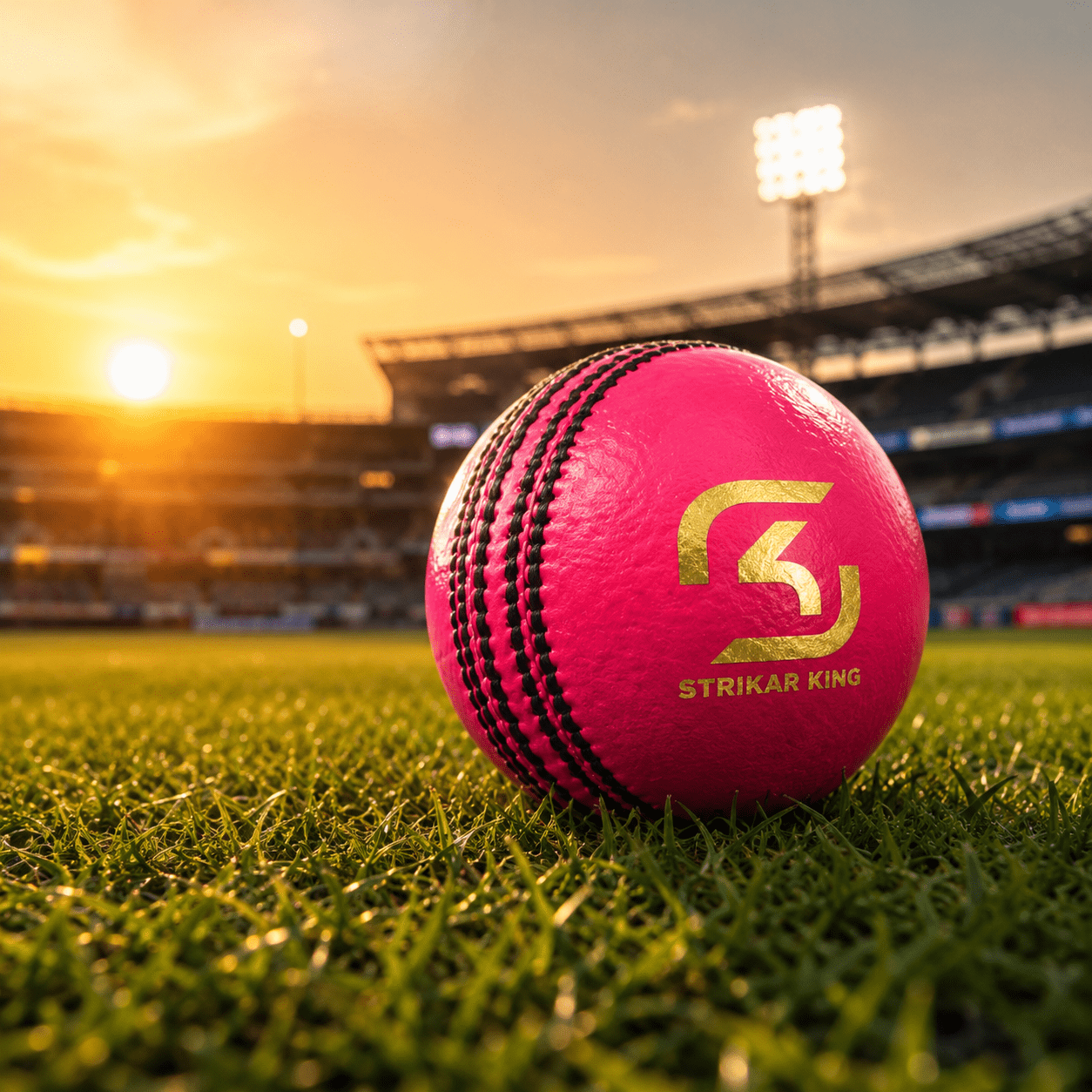
A player’s ability to track the ball directly impacts reaction time, shot selection, and catching accuracy. Traditional red and white balls can sometimes blend into backgrounds depending on lighting conditions.
Pink cricket balls offer superior contrast against:
- Green outfields
- Dark sightscreens
- Evening lighting
- Indoor training environments
Players can identify the ball earlier, helping them improve timing and decision-making.
Ideal for Day-Night Training Sessions
Training Beyond Daylight Hours
Modern cricketers often train during evenings after school, college, or work.
Pink cricket balls remain highly visible under:
- Floodlights
- Cloudy weather
- Dusk conditions
- Indoor practice facilities
This allows players to continue developing skills without visibility limitations.

Why Coaches Prefer Pink Cricket Balls
Many coaches use pink cricket balls to:
- Improve hand-eye coordination
- Develop catching reflexes
- Enhance batting focus
- Train under match-like conditions
The distinct color naturally forces players to concentrate on the ball throughout its trajectory.
Conclusion
Pink cricket balls are no longer just a professional cricket innovation. They have become one of the most effective training tools for modern players. Whether you are a beginner learning fundamentals or an advanced player preparing for competitive cricket, pink cricket balls can significantly improve visibility, concentration, and performance.
For academies, coaches, and aspiring cricketers, investing in quality pink cricket balls is a smart step toward better training outcomes